Last year, around midnight, I found myself standing in front of the fridge… again.
Not hungry. Not bored. Just… tired and craving something sweet.
I grabbed leftover cake, took two bites, and immediately thought, “Why do I keep doing this?”
If you’ve ever tried losing weight, you probably know this moment.
That strange mix of guilt, frustration, and confusion.
Because during the day, I was doing everything “right.” Eating better. Walking more. Even watching YouTube workouts I didn’t actually complete.
But progress? Almost nothing.
It felt like my metabolism had turned into an old phone processor — slow, laggy, and refusing to cooperate no matter how many apps I closed.
Honestly, I started wondering if something else was going on.
Table of Contents
The Real Problem I Didn’t Notice
For the longest time, I thought weight loss was just about food and exercise.
Eat less. Move more. Repeat.
Simple, right?
Except real life doesn’t work like a fitness poster.
Some nights I slept at 1 AM. Other nights at 3 AM. Sometimes I scrolled on my phone until my eyes hurt. And mornings always felt like waking up during a power cut — everything slow and foggy.
And here’s the weird part.
The worse I slept, the more I craved junk food the next day.
This is where things got interesting.
I started noticing a pattern: bad sleep → low energy → skipped workouts → sugar cravings → frustration.
Dieting began to feel like a mobile game with too many levels — just when you think you’re winning, a harder challenge appears.
Why Common Weight-Loss Solutions Didn’t Work for Me
I tried a lot of things.
Low-carb diets.
Morning jogging phases.
Calorie-counting apps I stopped opening after a week.
Even those “drink warm lemon water every morning” routines.
Some worked briefly, but nothing lasted.
Because I was treating symptoms, not the root problem.
My body felt tired all the time. And when you’re tired, discipline disappears fast.
Consistency beats motivation — but consistency is almost impossible when you’re exhausted.
It’s like trying to practice cricket after staying awake all night. You show up, but your timing is off, your focus is gone, and everything feels harder than it should.
I was skeptical at first, but eventually I started reading about how sleep affects metabolism and appetite.
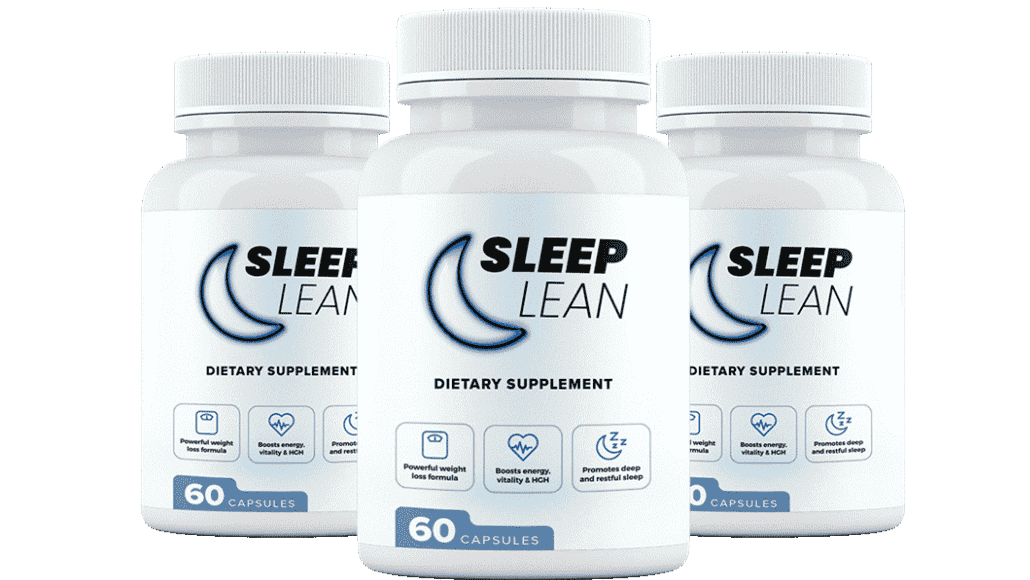
That’s when I came across SleepLean.
Discovering SleepLean
I didn’t find SleepLean through an ad or influencer video.
It showed up during one of my late-night “why can’t I lose weight” searches.
At first, I ignored it.
Anything connected to weight loss usually sounds too good to be true.
But the idea behind it caught my attention — focusing on sleep quality as part of weight management.
Not dieting harder. Not exercising more.
Just sleeping better.
Honestly, that sounded… different.
And doable.
Trying SleepLean (Without High Expectations)
I didn’t expect anything dramatic.
No “new life in 7 days” kind of thinking.
I just wanted better sleep.
That’s it.
The first few nights felt normal. Nothing magical. But I did notice I fell asleep a bit faster.
By the end of the first week, mornings felt slightly easier.
Not energetic like a movie character jumping out of bed.
Just… less tired.
And that alone made a difference.
Small Changes That Added Up
Here’s what surprised me most.
Better sleep didn’t directly make me lose weight.
It made everything else easier.
I didn’t crave sugar late at night as much.
I had more patience during workouts.
I didn’t skip morning walks.
Tiny changes.
But they stacked up.
Weight loss started feeling less like a punishment and more like a routine.
I was blown away because I wasn’t forcing discipline anymore — it was happening naturally.
That part felt new.
A Random Health Tangent (That Actually Matters)
Fun fact I learned during this phase:
When you don’t sleep enough, your body increases hunger hormones and reduces fullness hormones.
Which basically means your body starts asking for snacks like a kid in a grocery store.
No wonder late-night cravings felt impossible to control.
I didn’t expect this part to matter so much, but it explained a lot.
How SleepLean Fit Into Real Life
One thing I liked was that SleepLean didn’t require changing my entire routine.
No strict diet plan.
No complicated schedule.
No extreme rules.
It just became part of my nighttime routine — like brushing my teeth.
That’s important because complicated systems rarely last.
Simple habits do.
And this felt simple.
No Miracles — Just Progress
Let me be clear.
SleepLean didn’t magically melt fat away.
No product does that.
But over time, I noticed:
- More consistent sleep
- Fewer late-night cravings
- Better morning energy
- Easier workouts
- Slight, steady weight changes
Nothing dramatic.
But very real.
And honestly, real progress feels better than fast progress that disappears.
The Unexpected Mental Shift
The biggest change wasn’t physical.
It was psychological.
Weight loss stopped feeling like a daily battle.
More like maintenance.
Like keeping your room clean instead of deep-cleaning once a month.
Less effort. More consistency.
And consistency is where results live.
Why This Approach Felt Different
Most weight-loss advice focuses on willpower.
SleepLean indirectly focused on recovery.
That difference matters.
Because willpower runs out.
Energy doesn’t — if you sleep well.
That’s something I wish I understood earlier.
Who This Might Help
If you’re someone who:
- Feels tired all the time
- Struggles with late-night cravings
- Starts fitness routines but can’t stick to them
- Sleeps inconsistently
- Feels stuck despite trying diets
Then improving sleep might be the missing piece.
That’s what it was for me.
Final Thoughts
I didn’t start this journey expecting sleep to matter so much.
But looking back, it makes perfect sense.
Your body can’t change if it can’t recover.
And recovery starts with sleep.
SleepLean didn’t feel like a “weight-loss product.”
It felt like fixing the foundation first.
Everything else became easier after that.
And honestly, easier is what makes habits stick.
So now I’m curious.
What’s been harder for you lately — staying consistent with workouts, controlling cravings, or getting proper sleep?
If you’re researching sleep-based wellness solutions, this SleepLean review 2026 highlights how improving sleep habits can make weight-loss routines more sustainable. Instead of focusing only on diet and exercise, supporting recovery and sleep quality may be the missing piece for long-term consistency.
What is SleepLean?
SleepLean is a nighttime wellness supplement designed to support better sleep quality, which may indirectly help with weight-management routines and daily energy levels.
Does SleepLean help with weight loss?
SleepLean is not a weight-loss product itself. It focuses on improving sleep quality, which can support metabolism, reduce late-night cravings, and help maintain consistent healthy habits.
Who should use SleepLean?
SleepLean may be helpful for people who struggle with poor sleep, low energy, inconsistent fitness routines, or nighttime cravings.
How long does SleepLean take to show results?
Some users notice improvements in sleep within the first week, while lifestyle-related benefits like better energy and routine consistency may take longer.
Is SleepLean safe to use daily?
SleepLean is intended as a nightly wellness supplement. Users should always follow label instructions and consult a professional if unsure.
Why is sleep important for weight management?
Poor sleep can affect hunger hormones, energy levels, metabolism, and motivation, making healthy routines harder to maintain.